East Texas in early March, just as the redbuds are blooming Artbygordon 2018
In the beginning of 2018, with a little bit more freedom, I began to explore more places to find nature. Some of the places I visited are the Cedar Ridge Preserve. I began to seek out any place I could find even a hint of nature and mapped out several wonderful hikes very close to Dallas. For more information on the Cedar Ridge Preserve.
Plum blossoms isolated Artbygordon
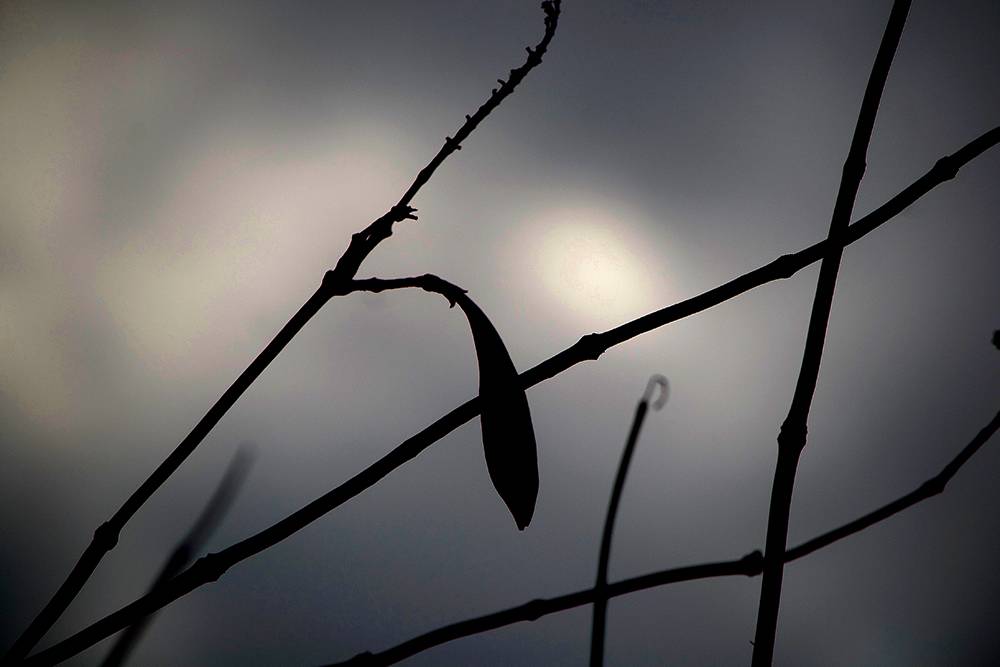
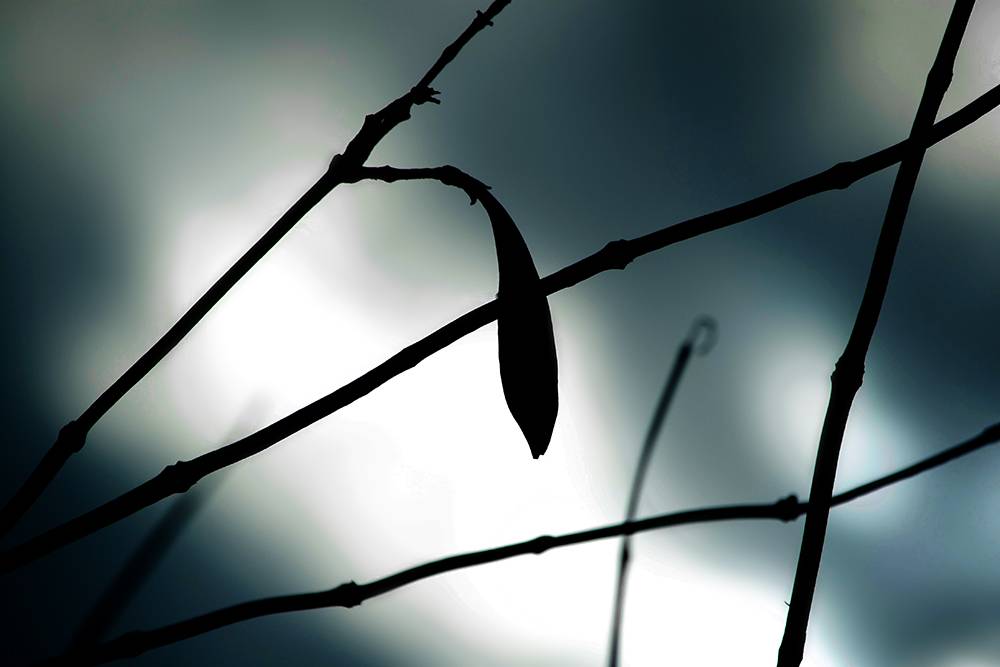
February and March found the artist seeking colors and light and instead I began to discover patterns in nature. I aimed to isolate light and shape even when the light was flat.
Screech owl from the Backland Prairie Raptor center first Saturday Artbygordon 2018
I made my regular visit to the Backland Prairie Raptor Center and learned more about the Backland Prairie and its importance to Texas and the DFW area. They open to the public first Saturday of the month and I always try to visit.
Pond near Parkhill Prairie in Blue Ridge Texas Artbygordon 2018
Talking with the naturalists I learned about another favorite place of mine, the Parkhill Prairie in Blue Ridge, Texas. It is like going back to a place in history where the wind cries across the pristine planes. I watched hawks sore and songbirds in the native environment-it was a wonderful trip and a need grounding for me. It is a wonderful remnant of the backland prairie.
Passionvine isolated Artbygordon 2018
I finally got to the East Texas Alligator Farm and Park. It was an enjoyable visit and something I have been planning for many years on so many drives out East. I plan on finding those out of the way places and writing and photographing about them.
A review of 2018 – 2018 started off with my decision to quit selling insurance and start doing creative projects full time. It has been a very productive year and the elements of this year will shape the future look and feel of all of my work.
Original Oils on Canvas for 2018
My oils have been a collection of snapshots of the road as I put 50,000 miles on my new vehicle. The images are of the hawk surveying a field and mallards along the side of the road. There are actually 4 or 5 more images that I haven’t even started but are on the list of paintings to create. The images include a tractor, cattle and other country road images.
I finally finished the series of swallows. There are 3 in the series and this final image is the celebration. It is the smallest of the group and yet the most birds, the name of the painting is the celebration because the drought is finally over, it looked as if the swallows were swarming in celebration .
The colors a bit more vivid than in the past as I bridge the gap between realism and impressionism. Future paintings will be more about light and darkness than the image itself. I am also trying to get back to water and the reason why I started painting it in the first place. Back to the basics of clarity and the richness of colors.
I showed for the first time in Opa in Rowlett as of September. I sold one painting and there are 6 paintings still showing until the end of the month. All the new paintings will be included on the website as I move some of the older ones to archive.
A review of 2018Original Pastels on Paper for 2018
I created these pastels again from snapshots on the road. Each one was created within one sitting both from memory and preliminary sketches.
My style has become a bit lighter and more comfortable with details in some places and relief in others. I also blur the image a whole lot less than I used to.
I am excited about finishing up some of the older snapshots and the immediacy of the pastel promises quick rewards. Some of the pastels will probably become larger more defined oils.
Photography for January-February 2018
January began with a feeling of freedom and exploration. Multiple trips to local nature places brought photography of all different aspects of nature.
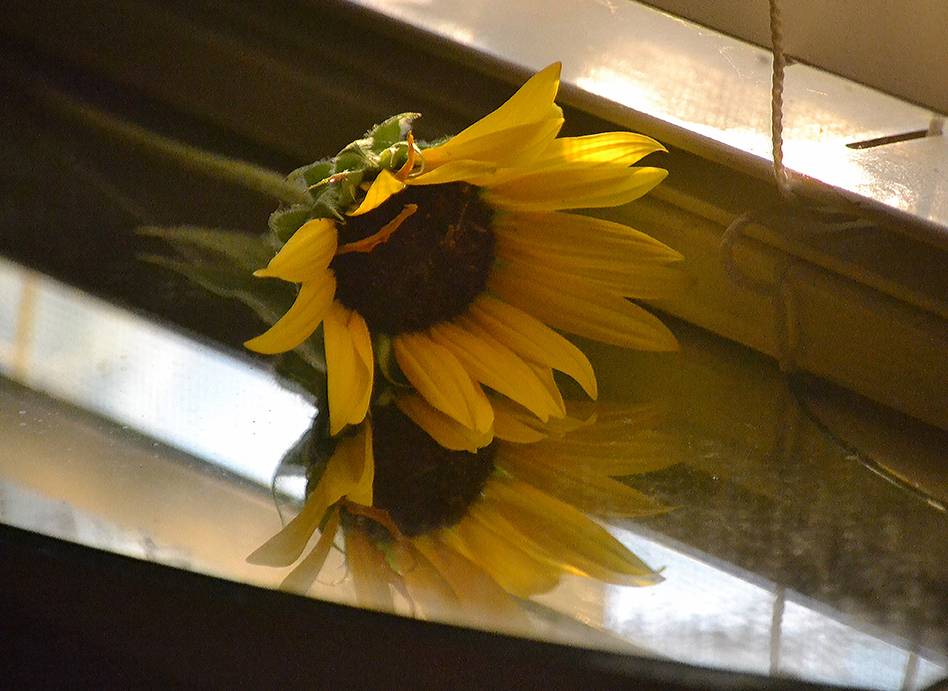
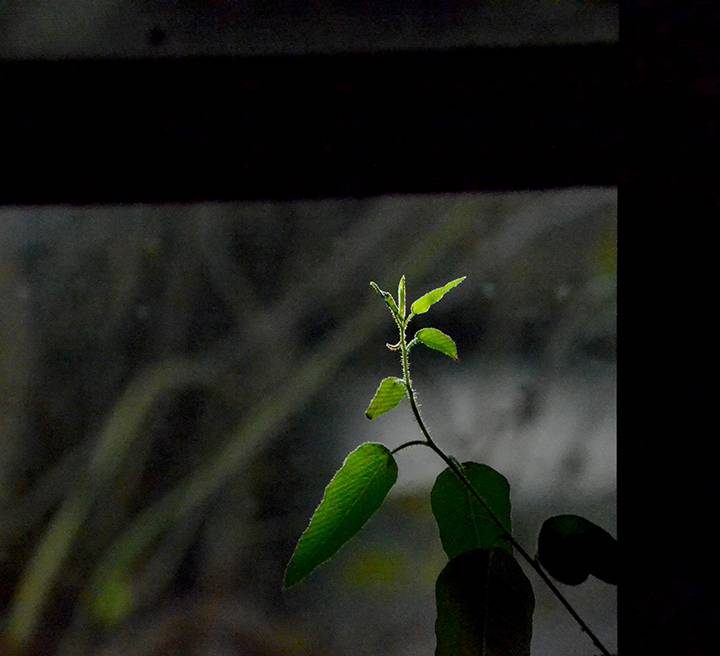
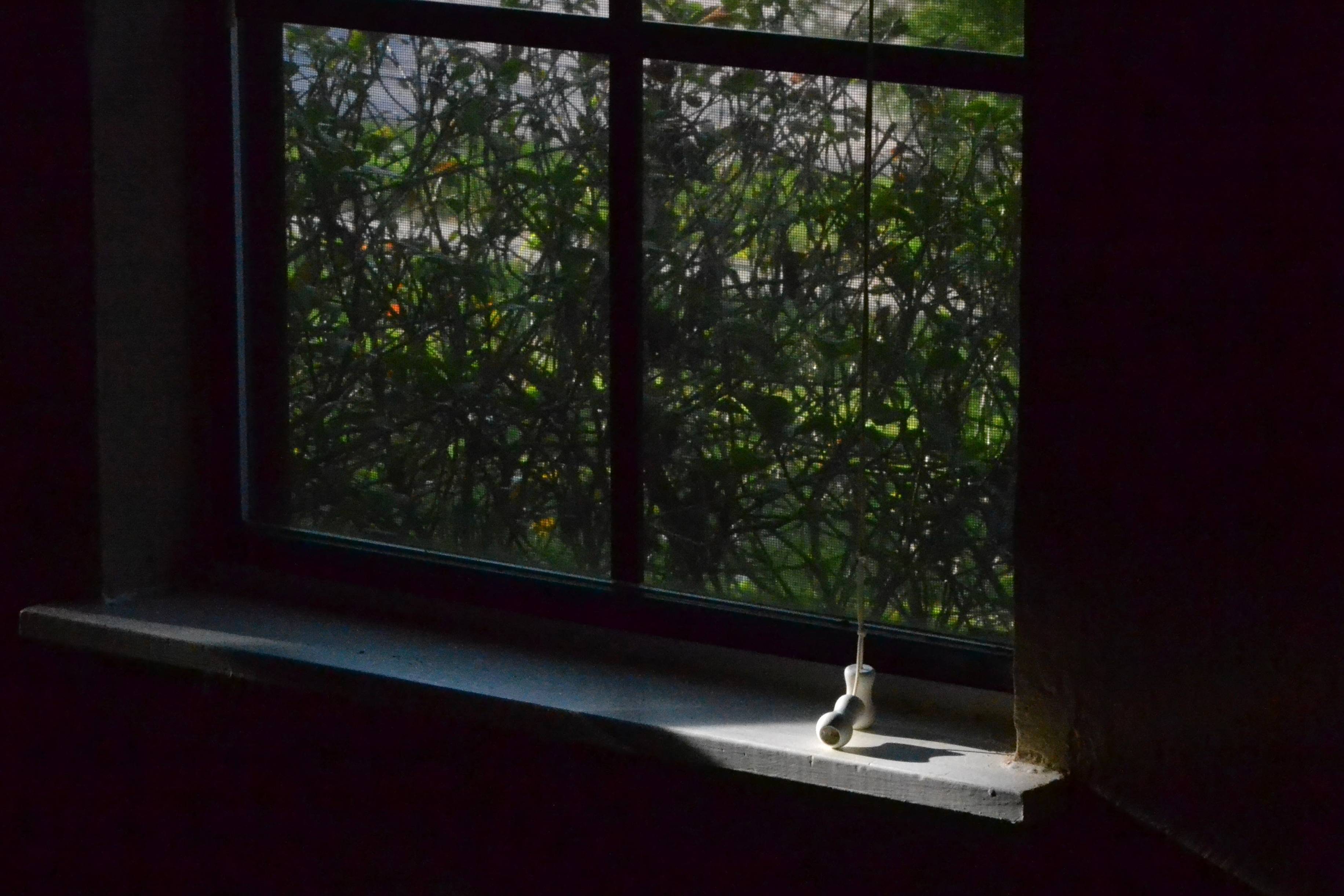
Many of these photos have become the initial inspiration for the artist window, which is a collection of objects from nature.
I am more aware of light than I ever have been. On a flat day of gray light with little character, I have learned to isolated objects and find beauty from the bland afternoon sun.
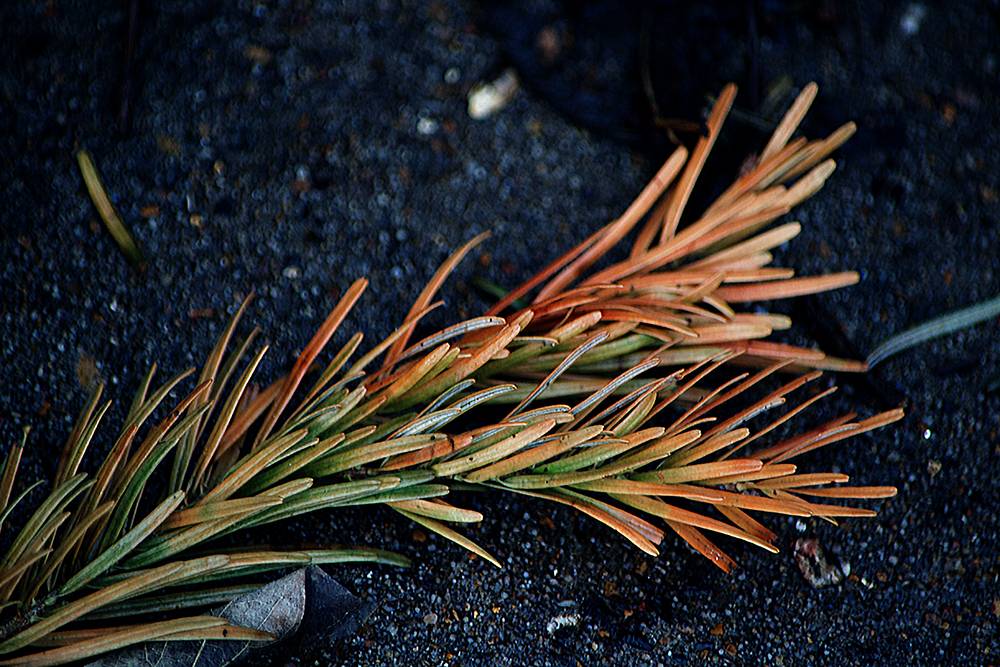
I am also getting more interested in the still life which also lends itself to the artist window series. I have become a collector of leaves, pine cones and even a magnolia seed pod I found.
I am more interested in patterns and colors and the way they react with light. I have also grown more excited about abstract images and am continuing to see abstract patterns in nature.
This is the first installment of 5 more posts that will include travels, writing, contests and more months of photography.
Nature hides its secrets, the artist must be patient, waiting for the riddle to show itself. Usually it is quite subtle and the quiet spectacle of light is gone almost as soon as it’s noticed.
Light is what the photographer seeks to describe, to find it in a way that it might not have been noticed or seen before.
This is a series of treasures no one would notice, but I find them quite beautiful. Nature has always inspired me.
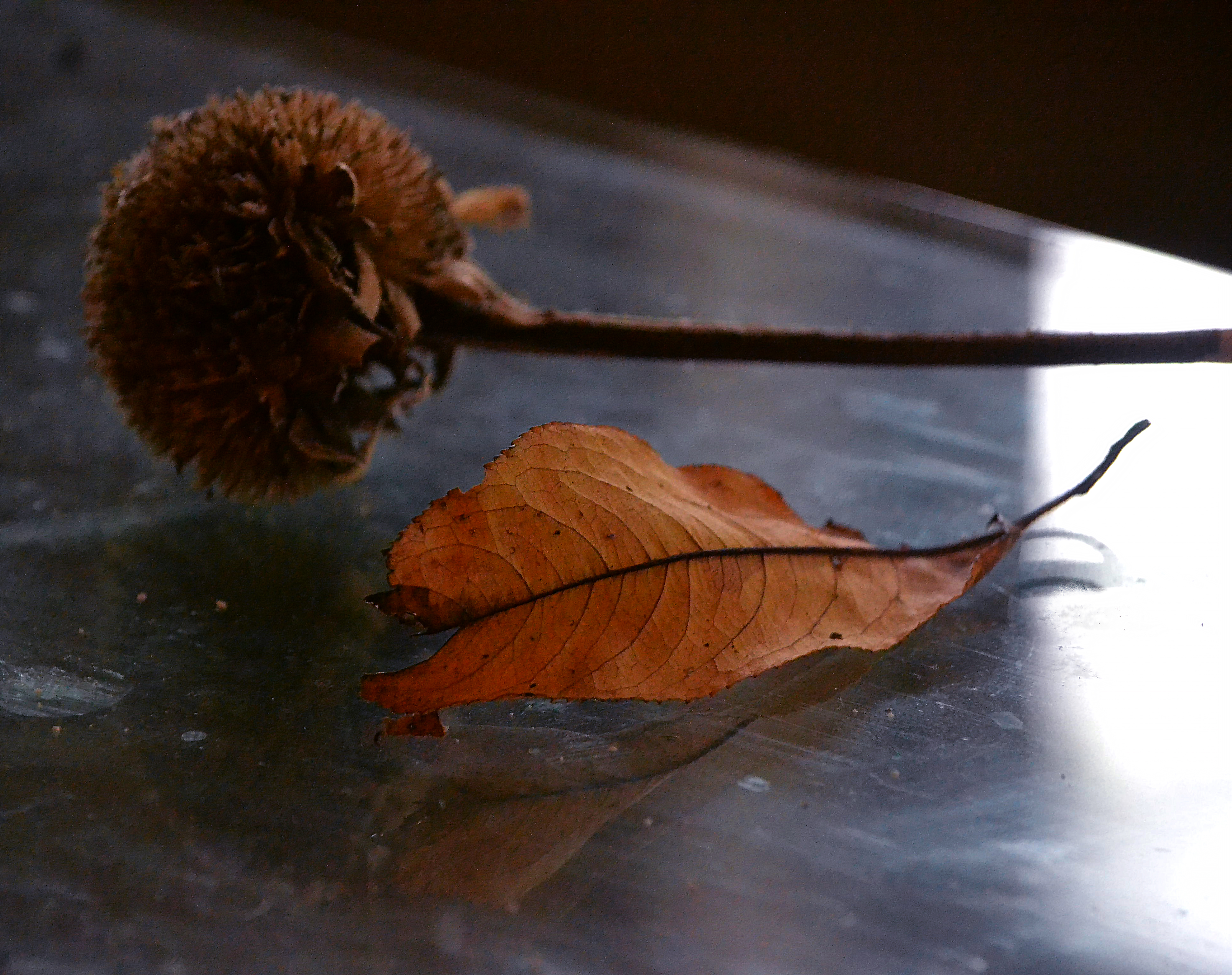
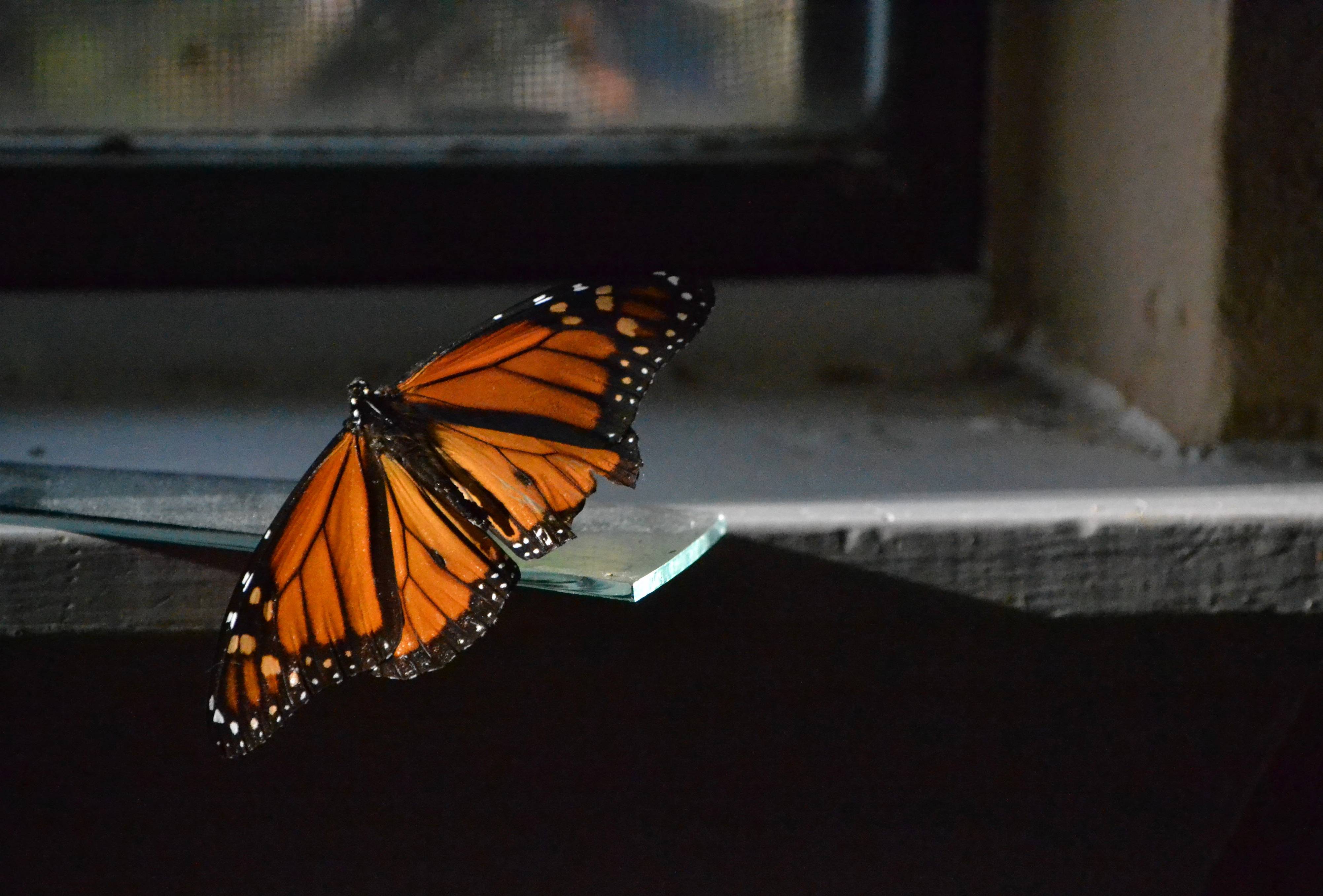
Light through windows
Subtle for a moment and just as quickly gone the true colors of leaves are defined and we see the extraordinary in the mundane beauty in the ordinary.
Rich autumn colors come inside bringing warmth to a silver afternoon I cling to color as the landscape turns gold than gray watching the last remnant of flame fade
It’s sad to see its wings useless how many miles had passed? last winter it hung trembling with others of its kind and it belonged somewhere in Mexico waiting to make the trip back only to lay on the concrete spent The final shaft of light autum the final stained glass window a remnant of spring fading
Purple Passion vine illustration using Adobe Illustrator
I have been illustrating in Adobe Illustrator for many years and after a many parts and end equipment I thought it was time to expand my subject matter. How I actually started working in the high-tech industry doing technical drawings and the occasional illustration was by showing an image of a green tree frog to a potential employer. It was the first attempt at illustrating using a PC-the program was Arts and Letters Jurassic Arts and the tools were basic at best.
Illustration with Multiple Software Applications
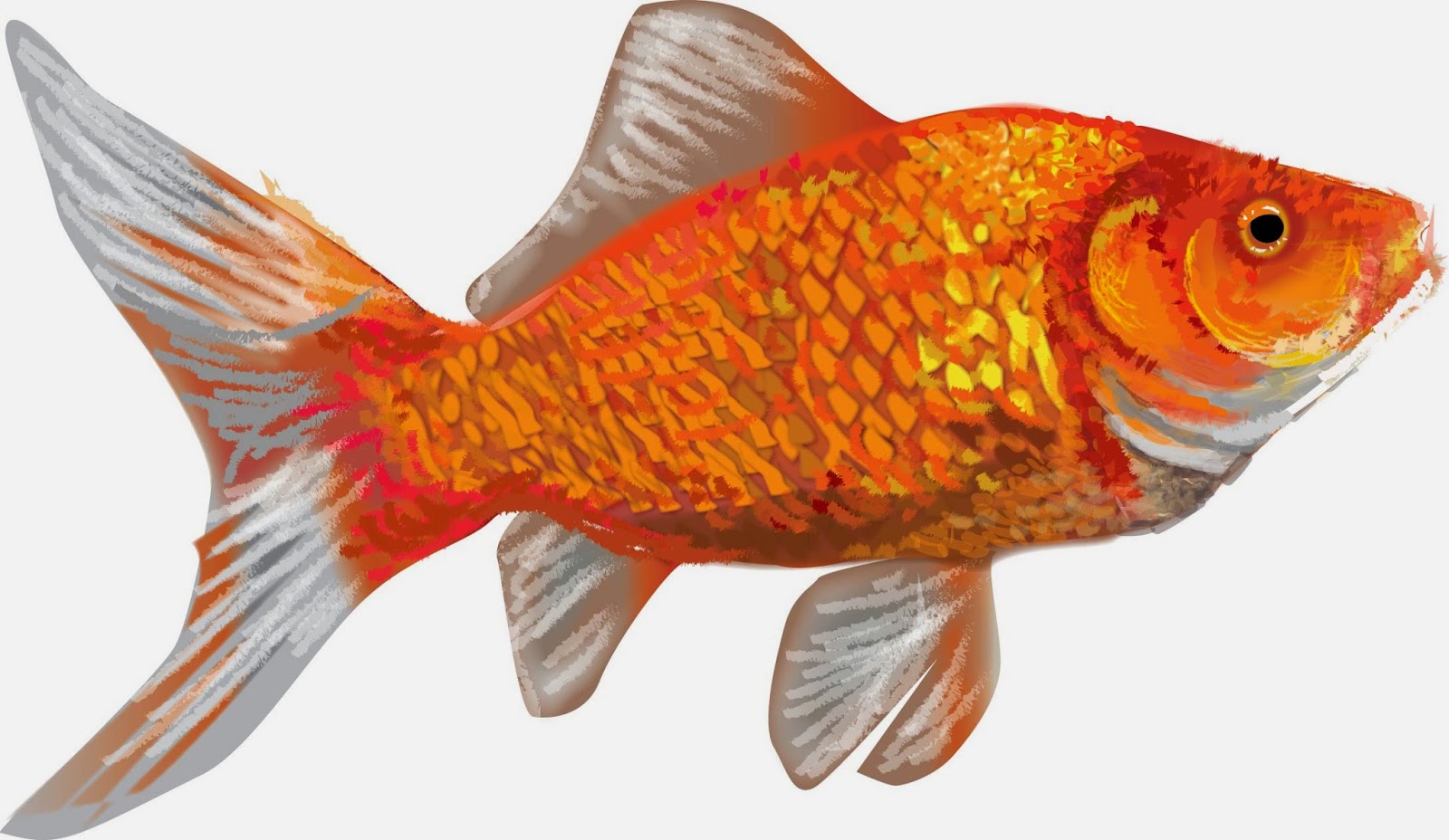
I have since worked in Micrografix Designer, Corel Draw even freehand and finally the standard adobe products-Illustrator and Photoshop. After writing about the life of a goldfish I decided to illustrate the image instead of using a photograph and what follows is how I approach illustrating in Illustrator.
Shape
My first and most basic process is just getting the shape and basic colors and tones down. This is the fastest part of the illustration. I will usually follow the lines of color and shadow and create layers of light that cover up layers of shadow.
Image 1-basic form
Color and Detail
After I feel the overall form is correct I will layer the colors again almost like the rings of a tree-you overlap each color with the form that overlaps it. You will notice every change and try to process it as if there were multiple layers of shapes that make the final form. I try to use as little gradients as they can tend to be contrived-if I do use them they need to be very subtle.
The second figure shows a minimal change from the first. Basic overlaying of colors that allow the background to show through and adds depth to the illustration. Detail is not as important at this point as there will be overlying of details and softening of edges after this stage.
Image 2-overlays of colors-layering for effect
The third step is where all the details begin taking shape. Again hard edges are overlapped
with lighter softer edges. At this stage I need to realize the overall texture and the best
way to create a subtle dimensional feel to the image.
Image 3-overlaying two
Details
By the third step the most intricate color and details become the major focus. I start cleaning up the basic shape and making sure all the proportions are right. The lines and detail is severe at this point because with the next step I will use the brush to merge the shapes to form a subtle more photographic image.
Brush Strokes
The final step is actually using brush strokes to overlap the hard edges of the previous step. Light and shadow overlay the original details and blocks of colors with varying degrees of opacity allows for more subtle effects.
Final step before creating background
After finalizing the details and colors of the fish I create a background. I don’t want much detail in the background so brush work and simple heavily feathered images create a backdrop that strives to not fight with the image of the goldfish.
Finished product using Adobe Illustrator
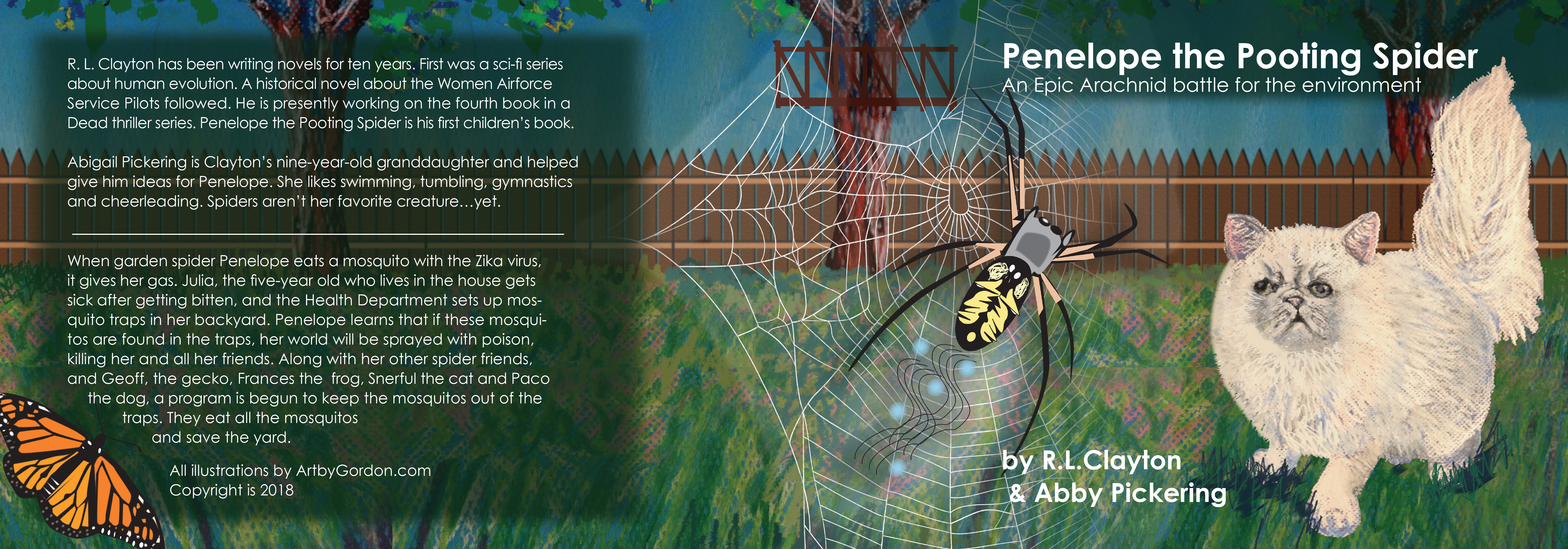
This was a previous post from blogger and I though with the new illustrations for R.L. Claytons’ first children’s book Penelope the Pooting Spider-I thought it was appropriate to share the article on techniques for illustrating with Adobe Illustrator.
We started with the cover and the interior was a watermarked version of the cover with characters highlighted on each page.
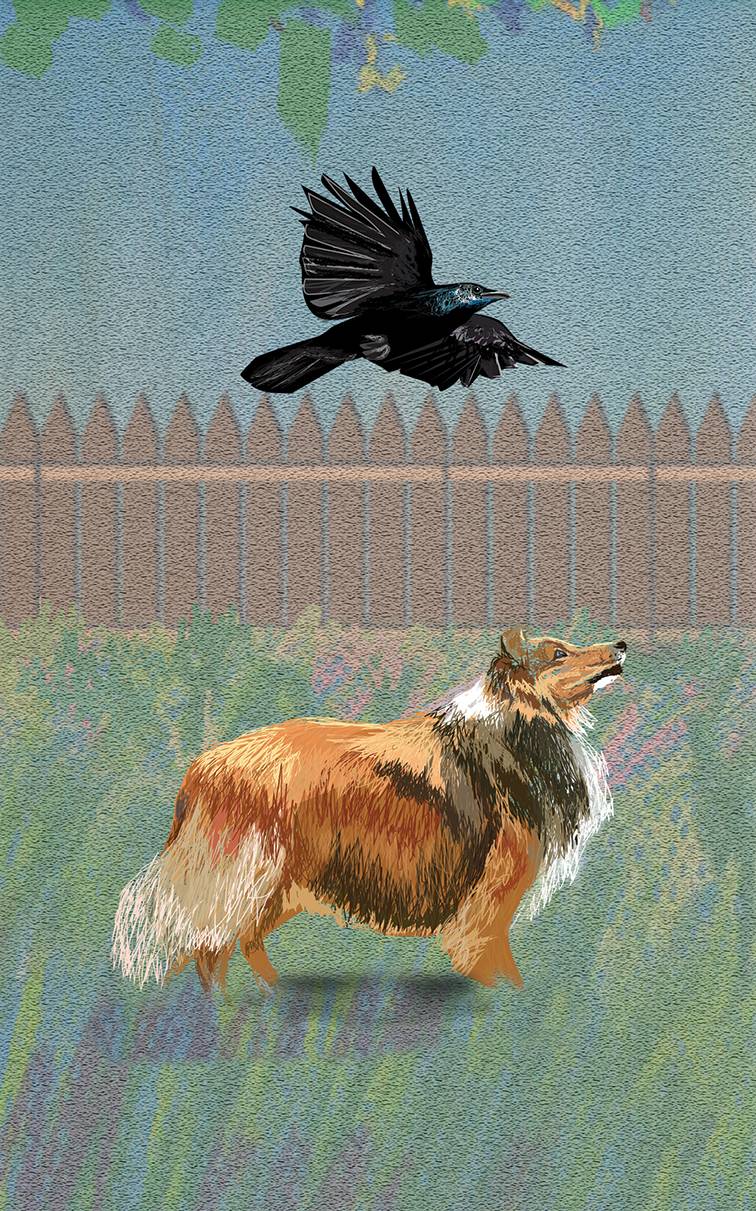
I added illustrated versions of the animals from illustrator but the cat and the field was created by hand with pastels. I then photographed and adjusted for color and texture.
I love gardening, something I’ve been writing about for quite a while. It is the act of dissolving into the silence and intricacies of nature.
Every bud and seedling is a glimmer of hope. I enjoy tending the soil, being active and watching this natural work of sorts become its own.
The garden starts out with seeds and a general idea and from there it becomes what it will be. I used to be a lot less enthusiastic about the summer garden than the spring garden. The spring would come with ideas and grand hopes for wildlife and a garden I could photograph but once the summer heat kicked in, the garden would go its own way.
All of the weeding and planting would turn into a garden of brown shrivelled up leaves. I think depression has a big thing to do with it as well, all intent and excitement dies with its crippling effects.
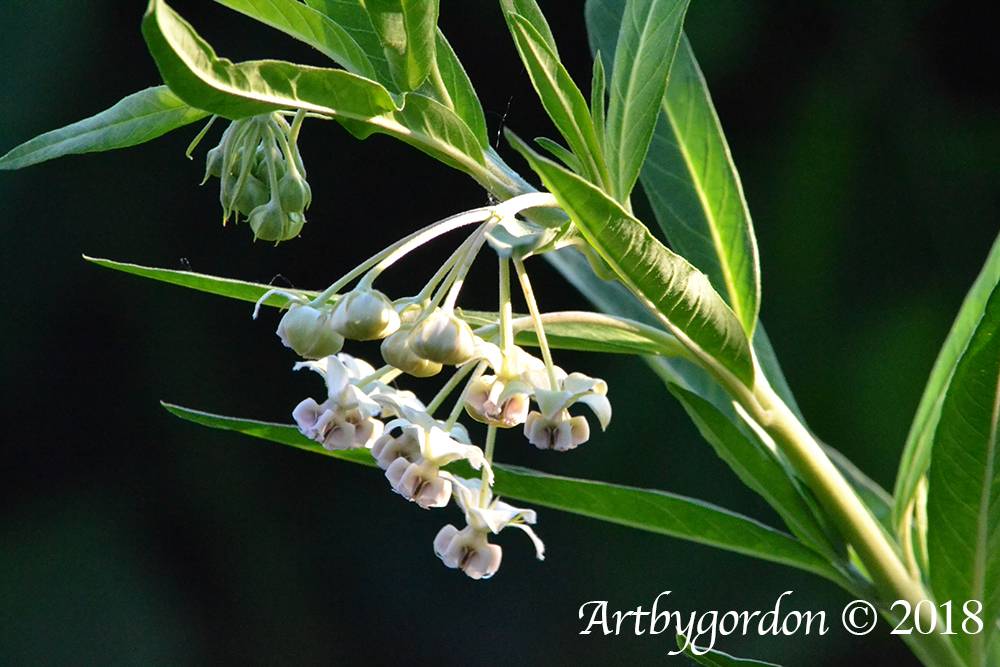
This year is different. I’m looking at raising milkweed to sell, yes a weed but the only hope for future monarch butterflies. I am collecting passionvine and dutchmans’ pipe as well and with the addition to the family of a dog named Ranger, suddenly I am outside even in the heat, still plucking weeds, still planting.
It’s amazing how a puppy can take you out of yourself. It’s not about you, it’s about him and the garden is better because of it. As he chews on sticks and rocks, I continue to weed, water and protect.
I’m not sure how long this will last, but I’m excited to see the garden become its own even after the second hottest May. I hope you enjoy a bit of a walk through my garden.
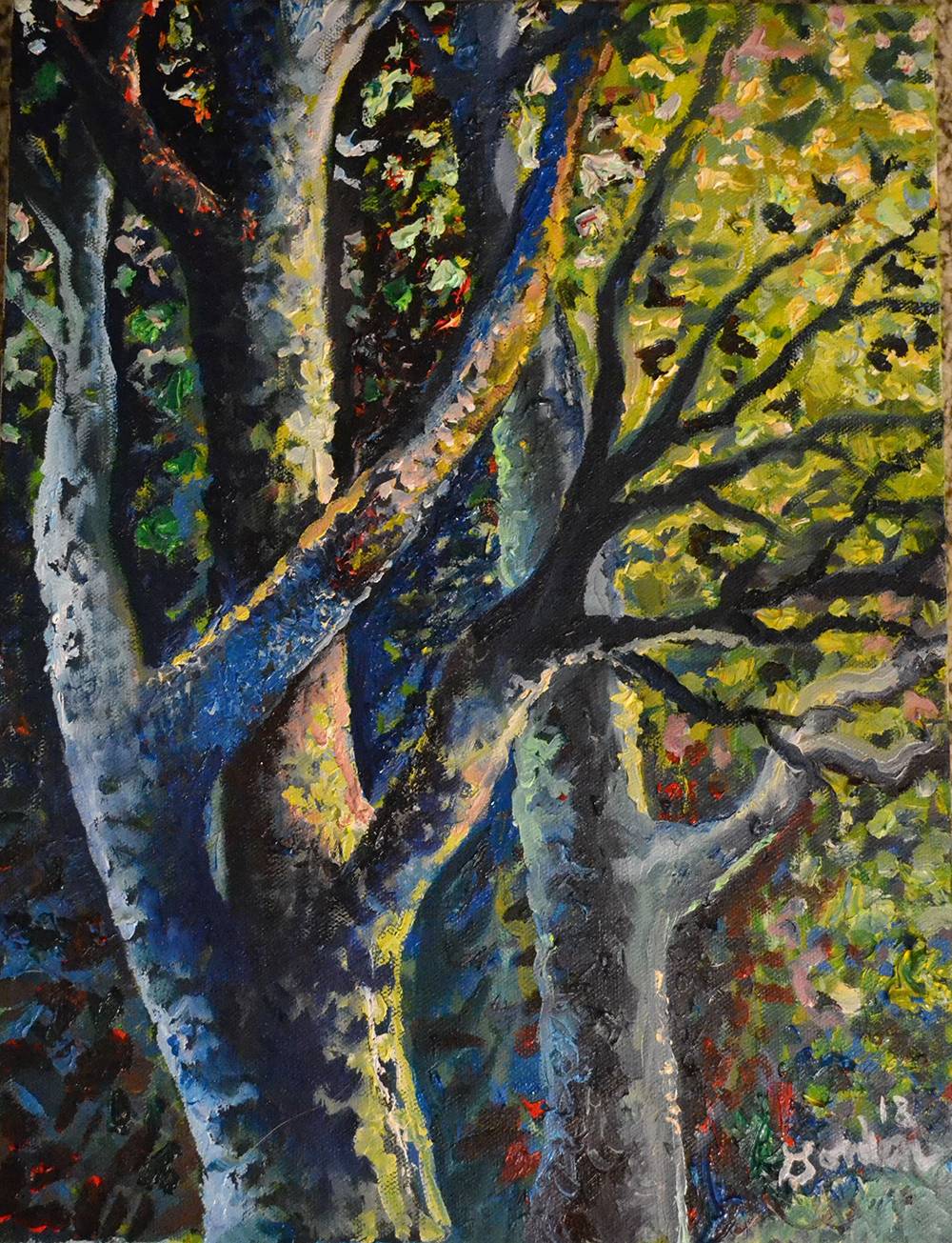
It’s almost like a stain-glassed window as the light filters through spring leaves. I have been watching this for many seasons and have had the idea on my easel for many years now.
I was interested in the richness of fading afternoon sun. I love the shadows of blues and greens reflecting a coolness in the midst of an ending day. This is the third in an upcoming series of paintings coming off the easel. Stay tuned.
Aristolochia Fimbriata – White Veined Dutchman’s Pipe Easy Plant for Wildlife
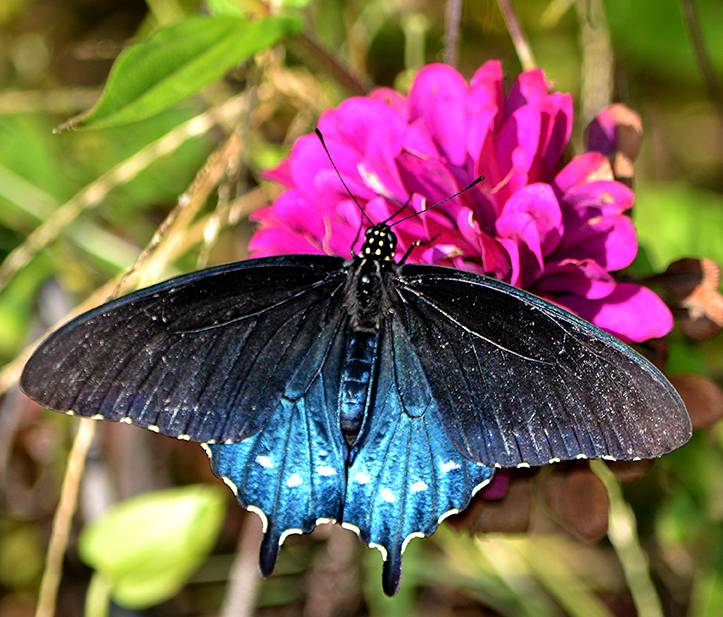
Pipevine Swallowtail
highlighting the Dutchmans pipe – This is the amazing butterfly that will visit your garden when you plant Dutchman’s Pipe or Aristolochia vine. Even without the welcome visitor it is an easy and very interesting vine to grow.
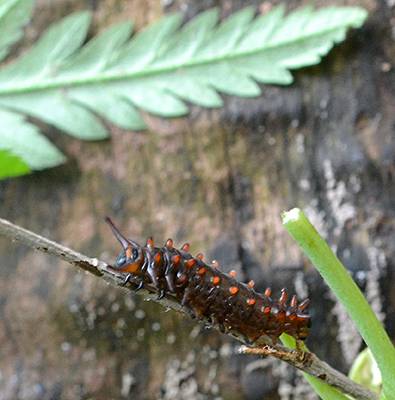
This is the Caterpillar that will devour every bit of this perennial vine but they grow back quickly. They look a bit like slugs but if you study them closer they are quite beautiful in their own right.
Let’s get back to the plant which has its’ own unique qualities. The reason they call them Dutchman’s Pipe vines is because the flowers resemble a dutchmans pipe.
Highlighting the Dutchmans pipe
Easy Plant for Wildlife
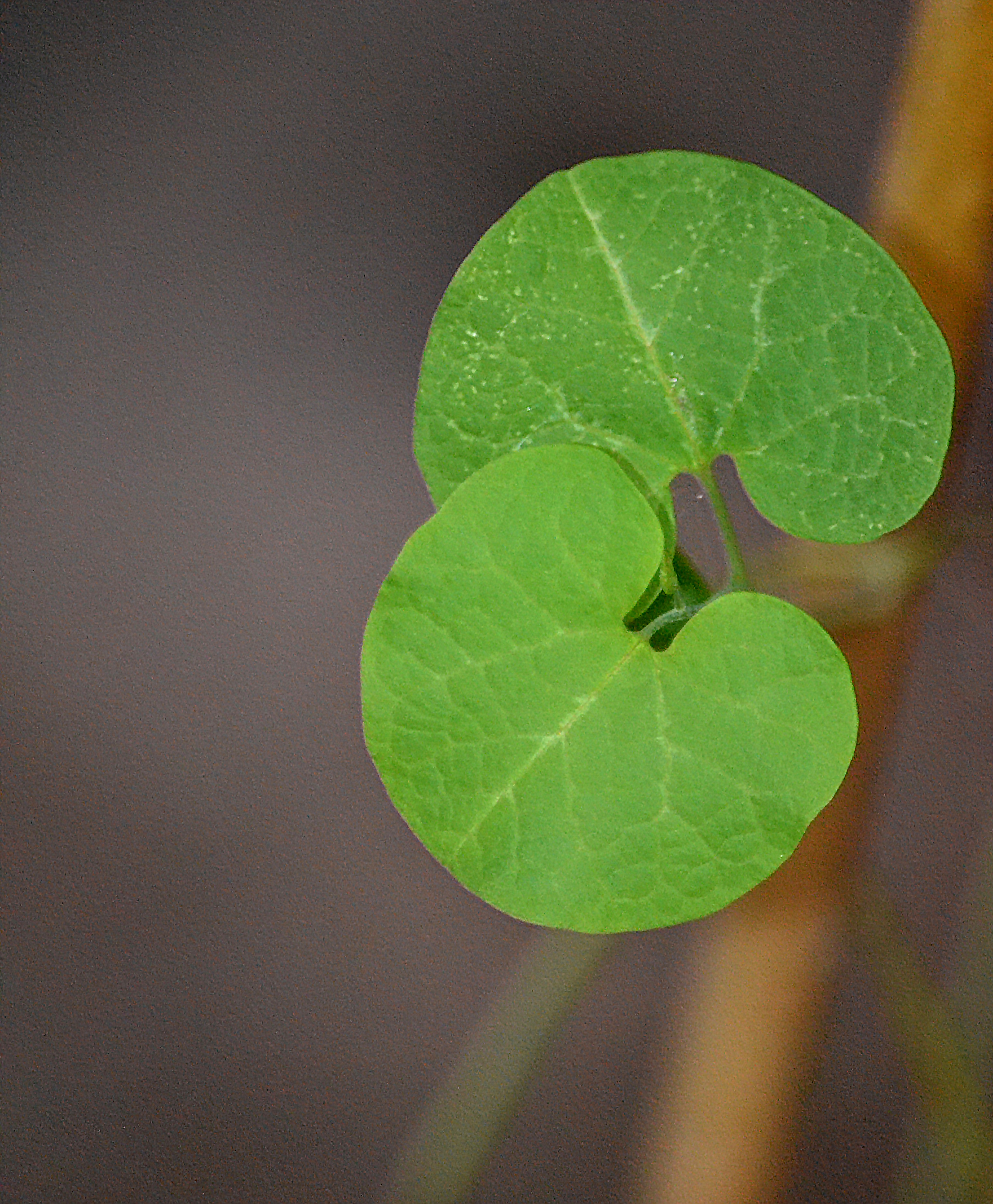
This is the White-Veined hardy Dutchman Pipevine-it is a ground cover that will come back every year in Texas and reseeds itself quite easily. The smell of the leaves are very strong.
There are several different types of vines but be wary of the Aristolochia Gigantea-it is a beautiful flower and dramatic bloom but it supposedly will kill the caterpillars, if you grow them just make sure you keep them away from butterflies seeking to lay their eggs.
These plants do will tolerate full shade and full sun with adequate watering but it prefers morning sun and afternoon shade. They do great in hanging baskets but I have mine in the ground.
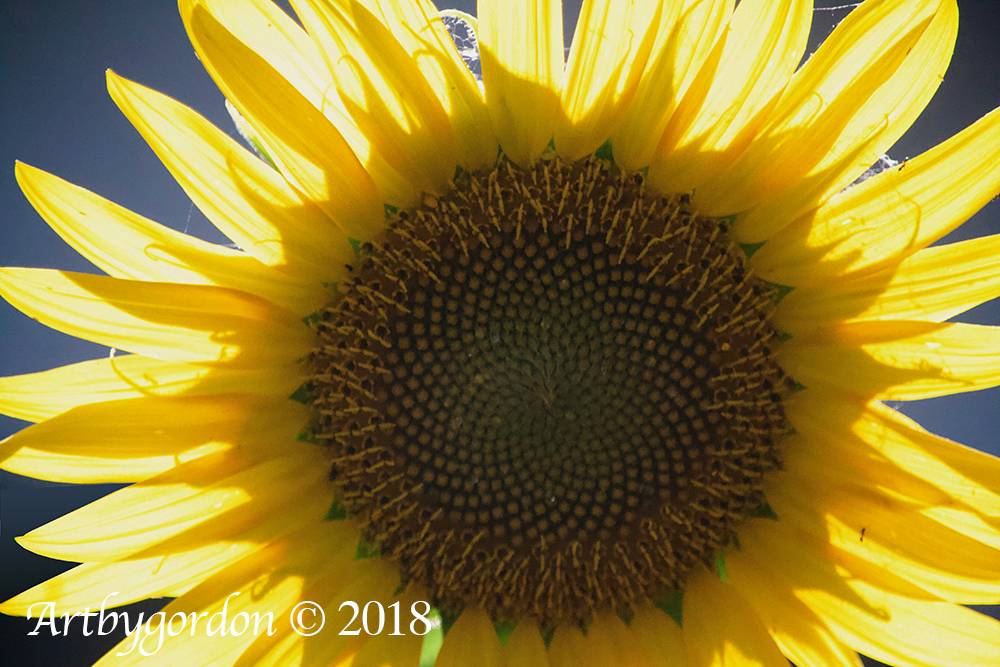
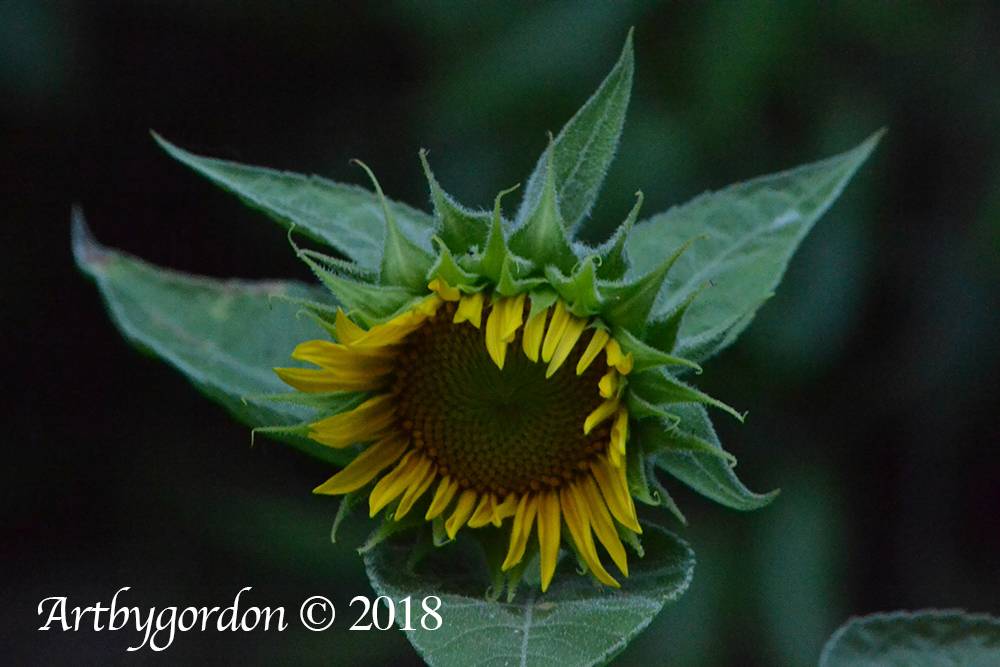
The next plant is the sunflower which is not only a host plant but easy to grow from seed and a dramatic addition to any landscape.
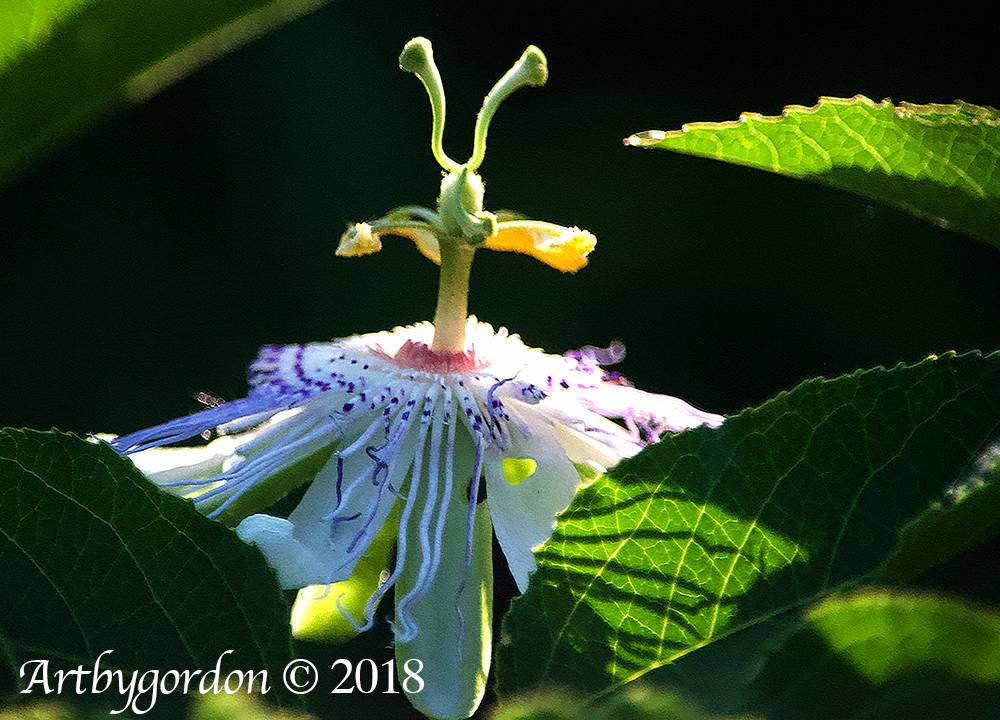
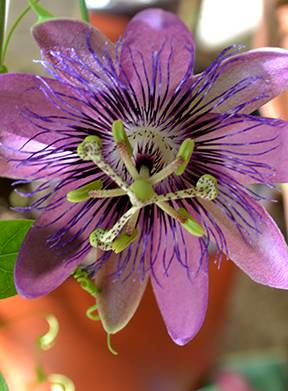
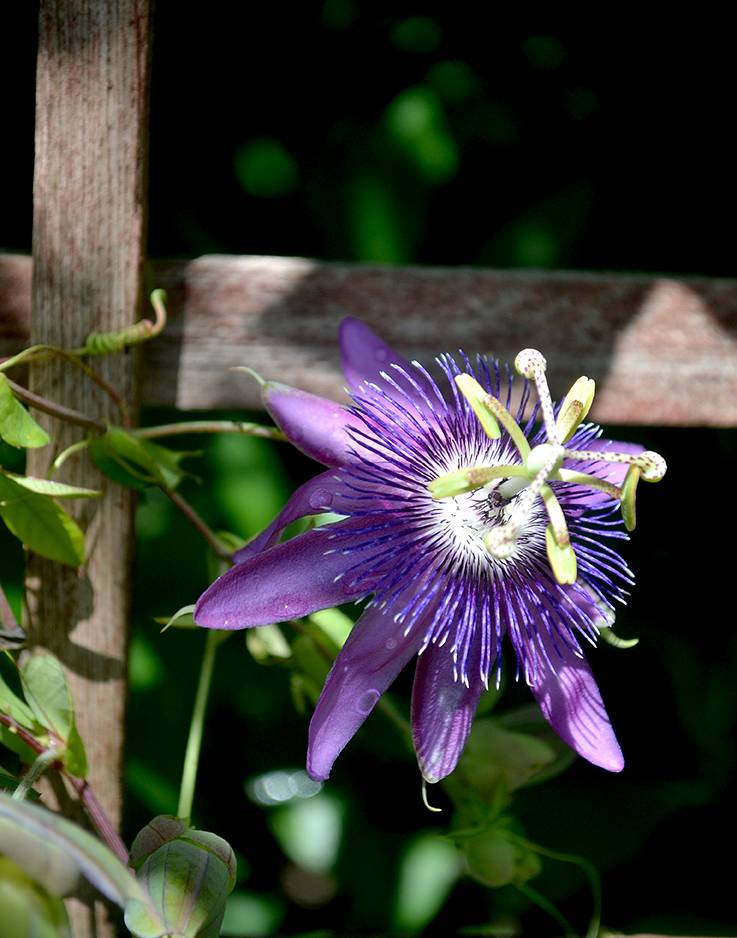
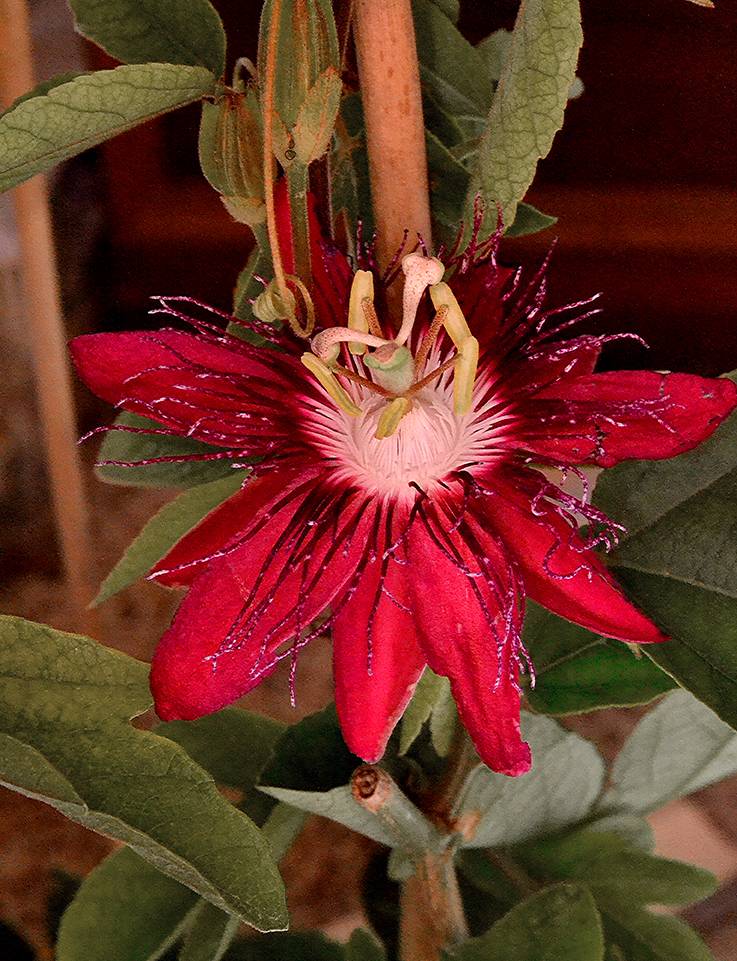
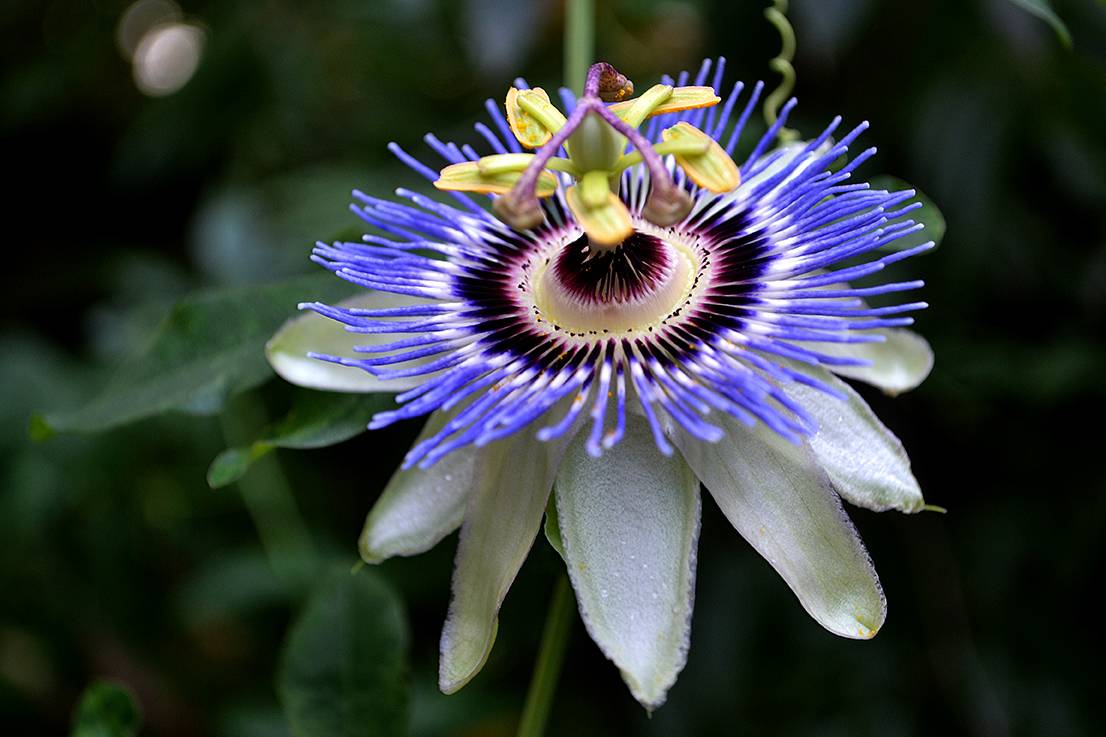
The second plant I would highly recommend is the passion vine. There is so much about this plant to love and it attracts Fritillary butterflies that will lay hordes of caterpillars to devour it.
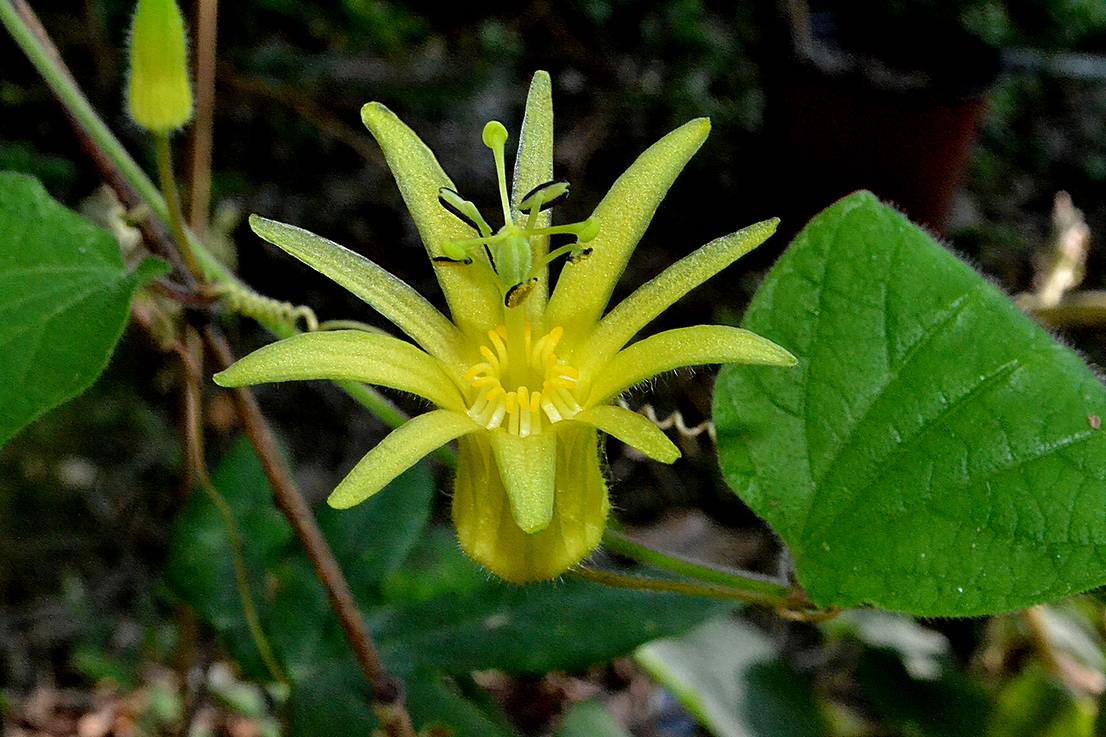
The plant is named Passiflora after the passion of Christ, there are a lot of symbolism with the parts of the flower, the stigmata represent the three nails and the 5 anthers below them the wounds. The sharp tips of the leaves, the lance, the tendrils the flagellation of Christ and the ten pedals and sepals the loyal apostles. Read more
They won’t overtake your yard or destroy a fence. I have had the blue variety come back every spring with a heavier base, I would think if it grew well enough it could destroy a fence but I’ve never had any problems with them.
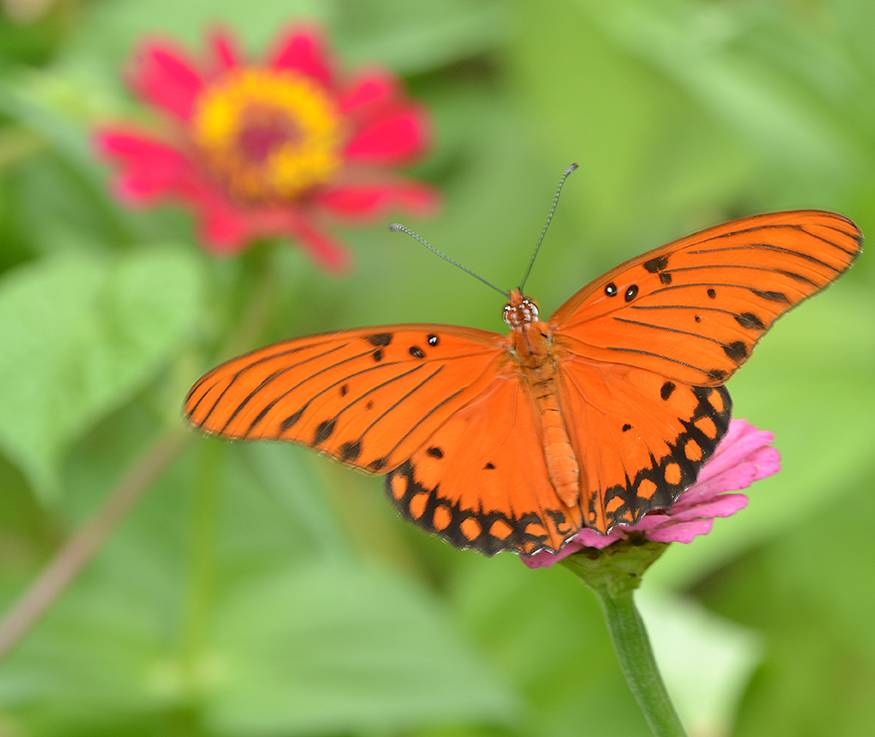
The smell of the flowers. The blooms are not only dramatic and odd, they smell like sweet candy and each species has its own unique flavor. The thorny larvae of the gulf and variegated fritillaries will devour the stands of the plant but that’s why I grow plants for the wildlife.
They are Good for Bees. Attracting bees could be a good or bad aspect of raising a plant. I welcome bees and never have been stung while treating them with due respect.
The abundant flowers are many different colors. They will cover an area in the yard with beautiful blooms through the summer. I would highly recommend this plant because its easy and needs little care. The native purple, (incense and incarnate), blue (cerulean) and some hybrids will come back after a mild winter. All these species will grow in most places with an abundance of light.
I will have a whole new collection this year and many more photos. Next is the Dutchmans Pipe-be patient if you plant it, they will come.
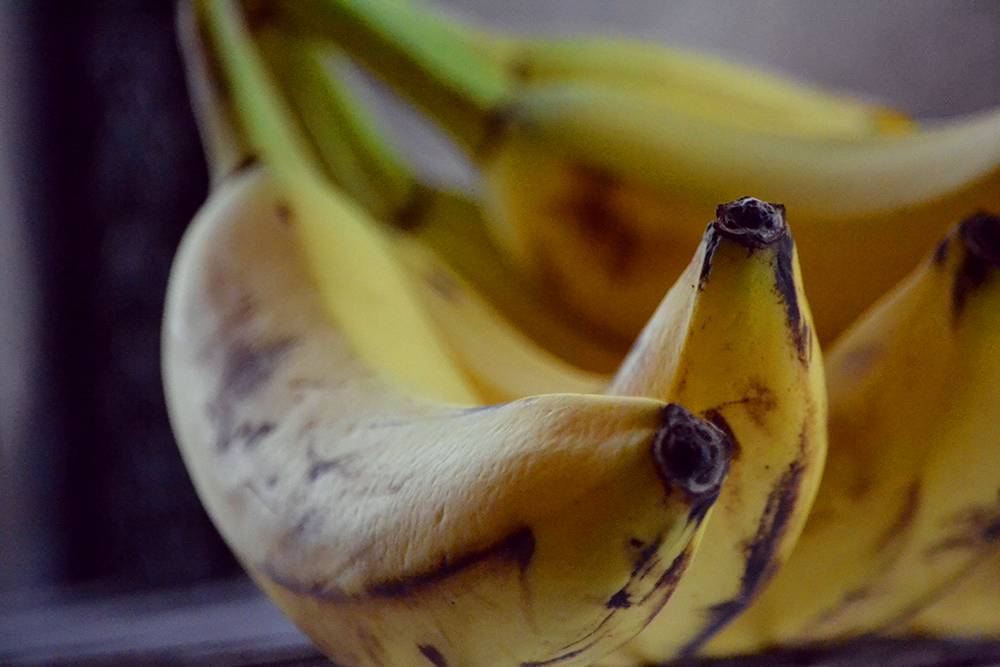
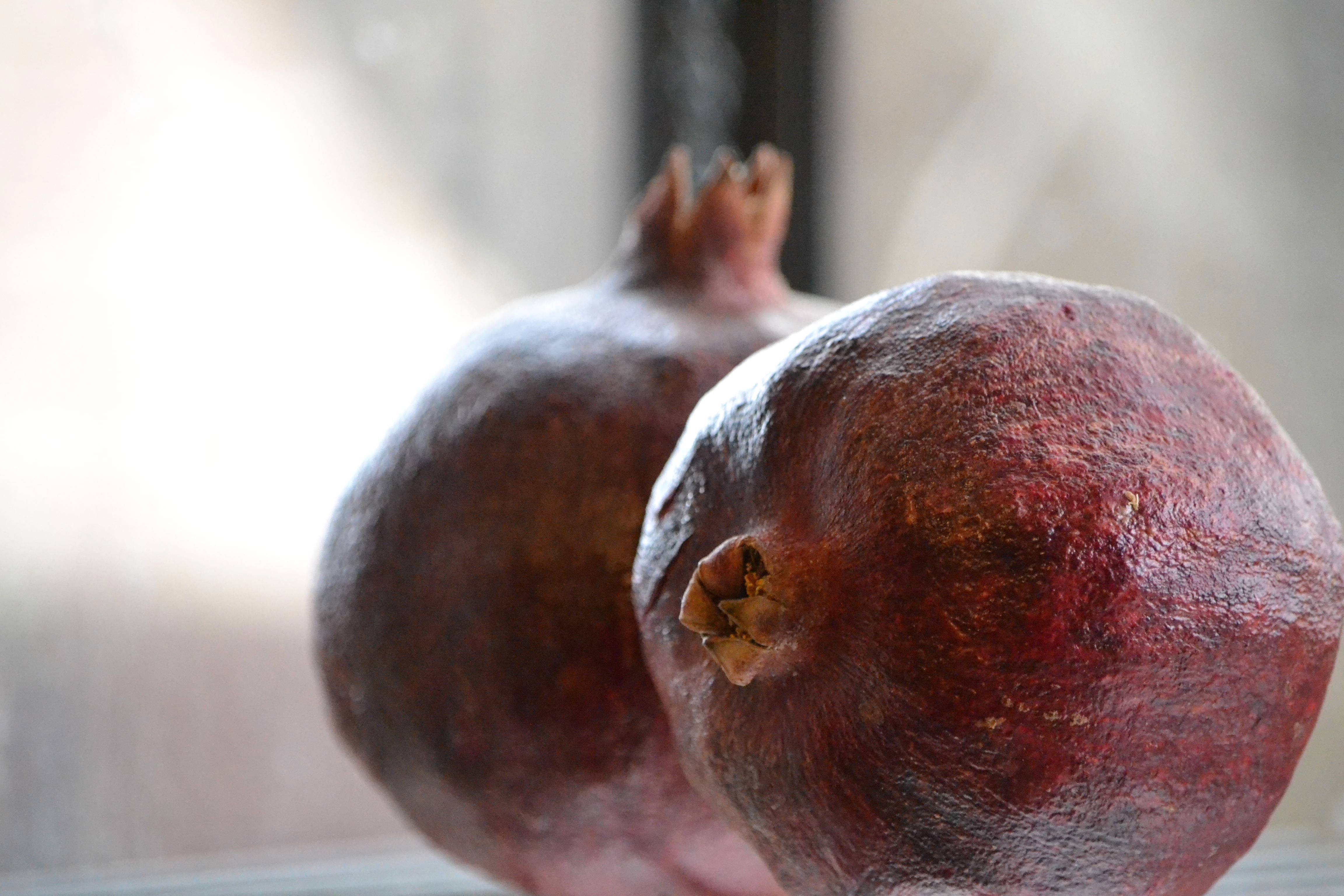
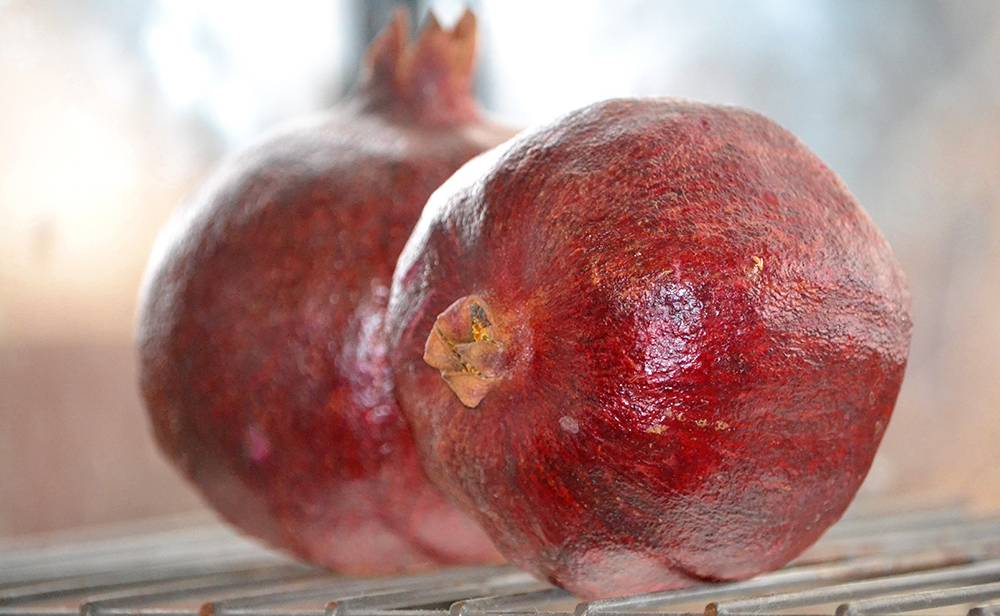
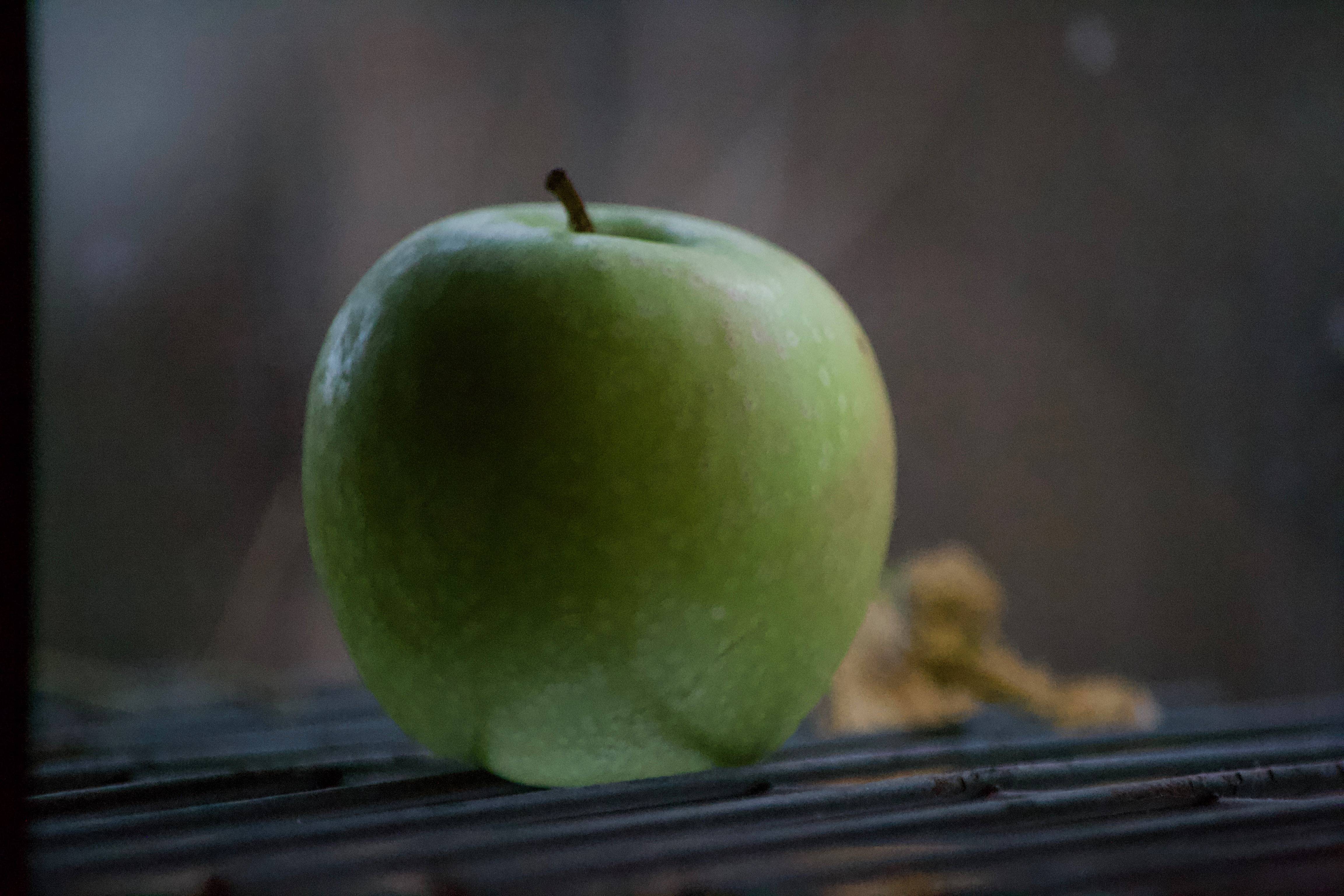
My latest series of projects have been finding rich colors and textures from ordinary objects. When viewed in a different light and in a unique setting, even ordinary fruit takes on a new and more attractive presence.
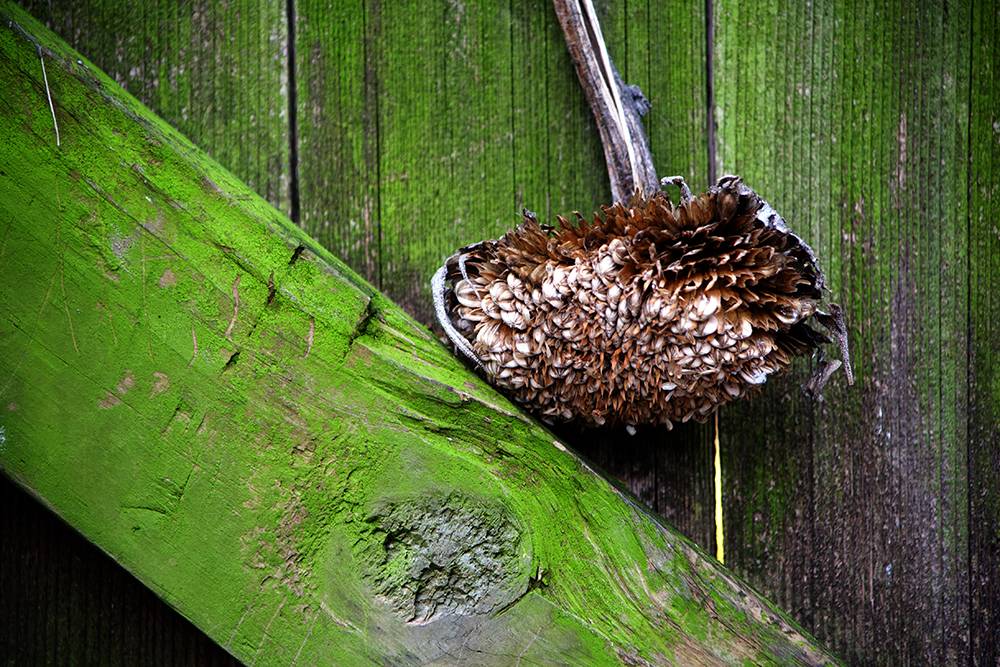
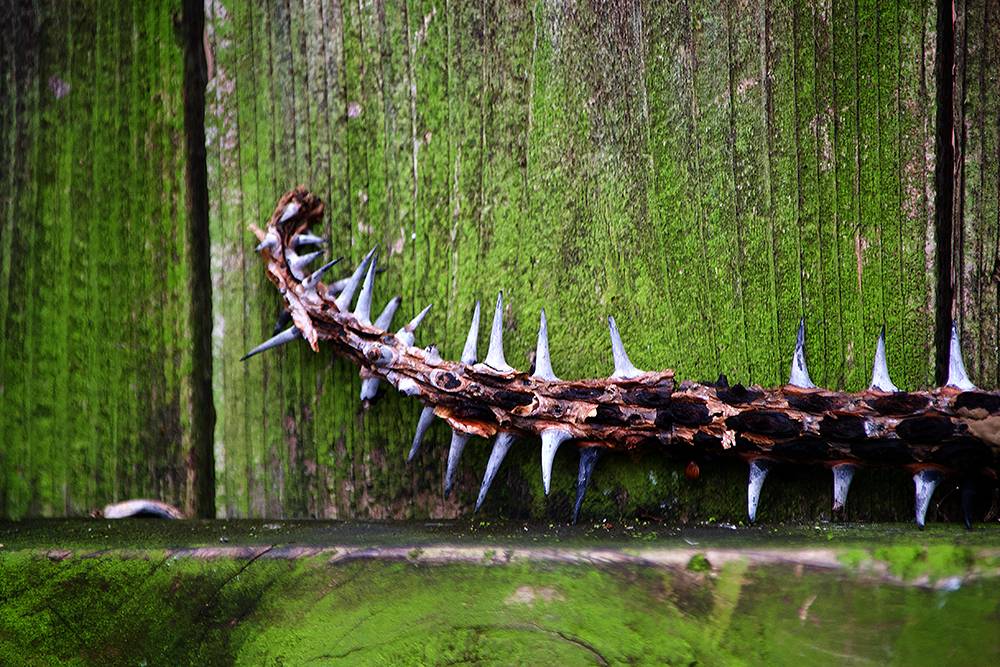
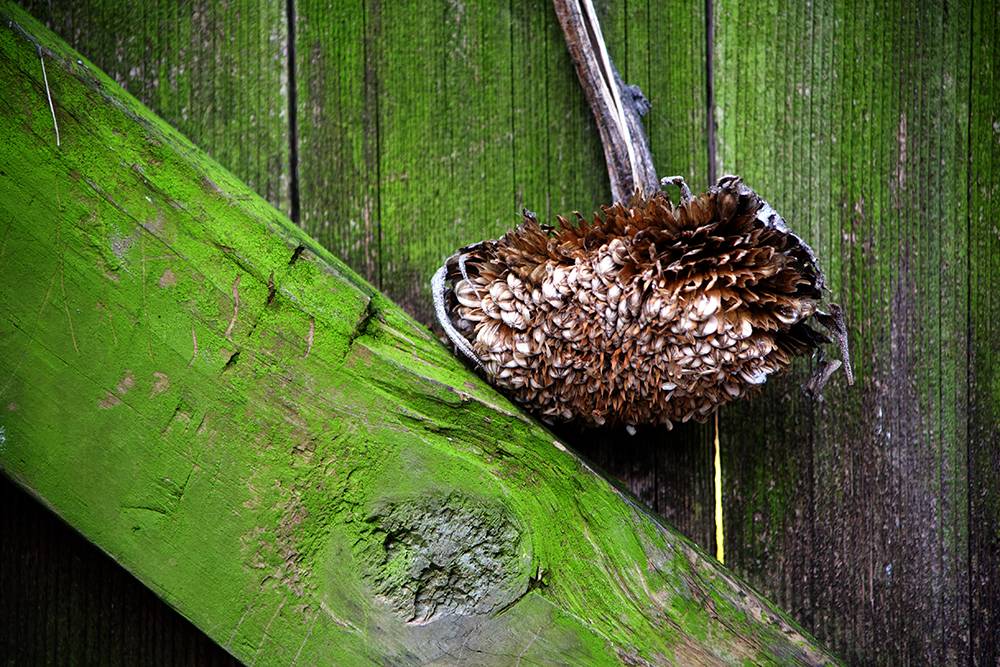
Remnants of summer’s gardens; sharp gnarled teeth of devils’ walking stick, shriveled up stems and seeds of sunflowers waiting for spring.
I found them at the weathered gate, rich green algae on an old broken down fence. These are all whispers of a summer past and I realize the gardener is only an introduction of seed to soil, the wind and rain are the catalysts, each bird a possible carrier of a new seed and every weed a new battle for supremacy.
You can learn much about life from a garden.
Original art in oils and pastel, celebrating nature